

Functional Training Methods for Cape Town Athletes: Build Strength That Translates to Sport
Whether you’re a trail runner tackling Table Mountain, a rugby player crushing tackles, a surfer commanding the waves, or a cricket player delivering power shots, functional training is your competitive edge.
Unlike traditional gym workouts that isolate individual muscles, functional training focuses on movements that directly improve your sport. It builds strength that transfers to real athletic performance.
This guide covers everything you need to know about functional training for athletes—from why it works to specific methods you can start using today.
What Is Functional Training? The Athletic Definition
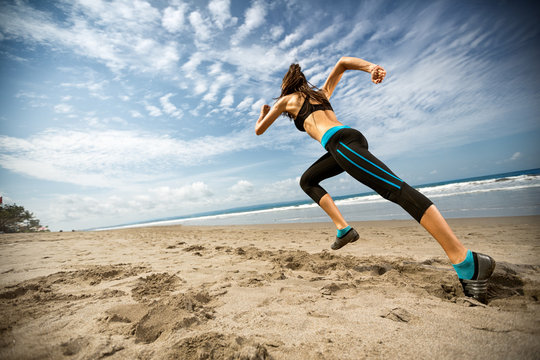
Functional training is a training approach that emphasizes movement patterns and real-world strength rather than isolated muscle groups.
Instead of performing leg press machines or cable curls, functional training includes:
- Compound movements (squats, deadlifts, push-ups that use multiple muscle groups simultaneously)
- Multi-planar exercises (lateral movements, rotational movements—mimicking sport-specific demands)
- Stability and balance work (core strengthening, single-leg exercises that improve proprioception)
- Dynamic, explosive movements (jumps, sprints, athletic movements)
The simple rule: Train movements, not just muscles.

Why This Matters for Athletes
In sports, your body never performs in isolation. When a rugby player makes a tackle, when a cricketer swings, when a runner sprints uphill—the entire body works as an integrated system. Functional training builds this integration.
Why Functional Training Works for Cape Town Athletes
Cape Town’s athletic culture is world-class—from runners conquering mountain trails to surfers mastering ocean conditions. These athletes need functional strength that translates directly to sport.
Athletic Performance Benefits
1. Improved Movement Efficiency
Functional training optimizes how your body moves. For a runner, this means better stride mechanics and more efficient energy use. For a rugby player, it translates to faster, more explosive movements. For a surfer, enhanced balance and core strength mean longer, more controlled rides.
2. Enhanced Athletic Power and Speed
Athletic movements demand full-body coordination and force generation. Functional training develops this through:
- Explosive jumping and plyometric work
- Rotational power (crucial for cricket, tennis, golf, rugby)
- Multi-directional agility drills
- Dynamic stability during movement
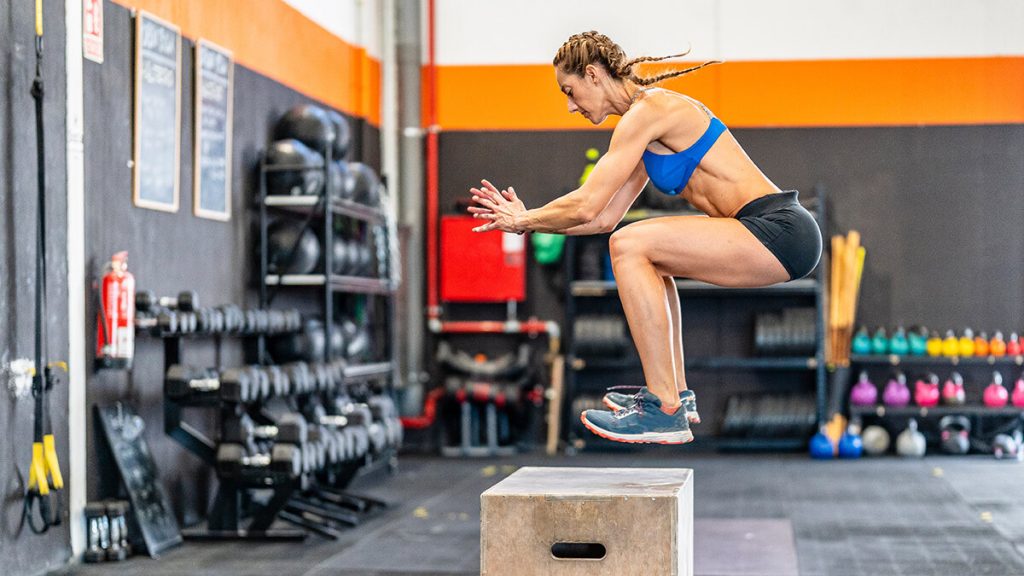
A trail runner with strong hip stabilizers and explosive power climbs faster. A rugby player with rotational strength hits harder. A surfer with core power maintains balance in challenging conditions.
3. Injury Prevention Through Movement Quality
One of the biggest advantages for athletes is injury prevention. By strengthening stabilizer muscles and improving movement patterns, functional training reduces common injuries:
- ACL tears (through proper landing mechanics)
- Shoulder impingement (through scapular stability)
- Lower back pain (through core strength and movement quality)
- Ankle sprains (through proprioceptive training)
Many Cape Town athletes miss season time due to preventable injuries. Functional training is your best defense.
4. Sport-Specific Performance Transfer
Functional training is customizable to your sport. A Cape Town cricketer benefits from rotational power training. A trail runner benefits from lateral stability and hip strength. A swimmer benefits from shoulder stability and explosive power.

Core Functional Training Methods for Athletes
Here are the proven methods used by coaches to develop elite athletic performance:
1. Compound Movement Training
What It Is: Multi-joint exercises that recruit multiple muscle groups simultaneously.
Key Exercises:
- Squats (all variations)
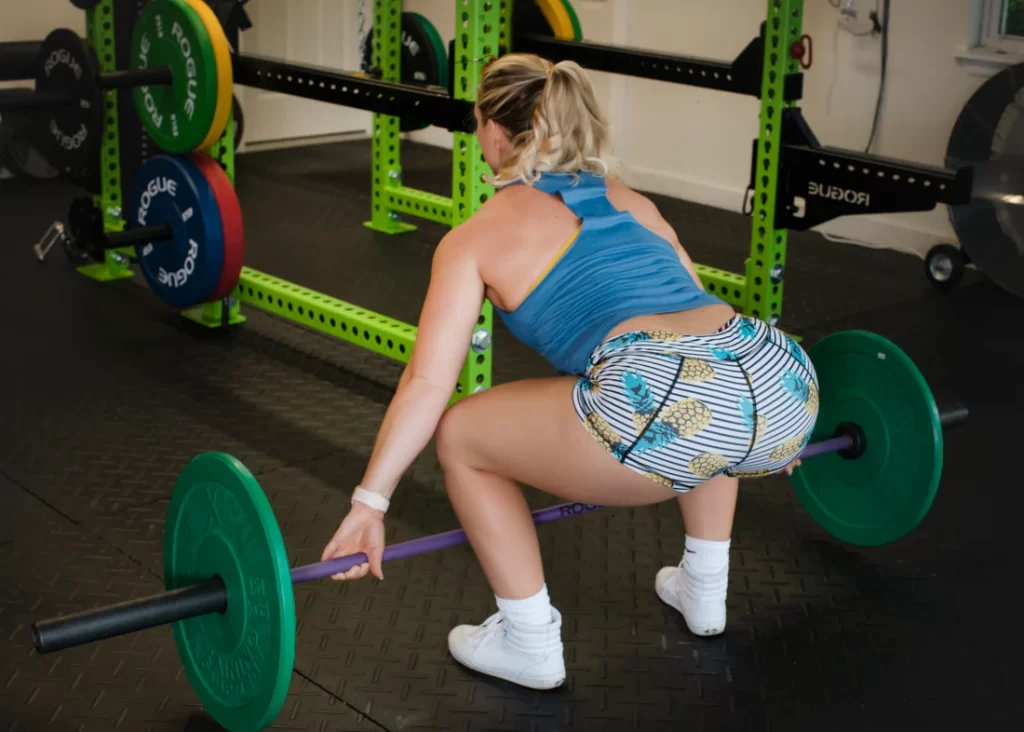
- Deadlifts (conventional, trap bar)
- Push-ups (all variations)
- Rows (barbell, dumbbell)
- Lunges (forward, reverse, lateral)
- Pull-ups and chin-ups
Why It Works for Athletes: Compound movements build real-world strength that transfers to sports. A deadlift doesn’t just build leg strength—it builds explosive hip power that helps in sprinting, jumping, and change of direction.

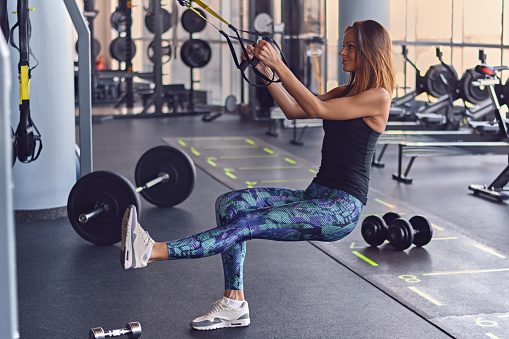
2. Suspension Trainer Workouts
What It Is: Using a suspension trainer (TRX) or rings to perform bodyweight exercises with variable difficulty.
Why Athletes Love It:
- Builds core stability while training strength
- Improves balance and proprioception
- Portable (train at the gym or outdoors)
- Scalable difficulty
Sample Exercises:
- Suspension rows
- Suspension push-ups
- Single-leg lunges
- Suspended planks

3. Kettlebell Training
What It Is: Training with kettlebells—cast iron weights with an offset center of gravity.
Why It’s Perfect for Athletes: The offset weight distribution naturally trains stability, coordination, and explosive power—exactly what athletes need.
Key Movements:
- Kettlebell swings (explosive hip power)
- Goblet squats (core engagement + leg strength)
- Turkish get-ups (full-body coordination)
- Kettlebell rows (functional pulling strength)
4. Plyometric & Explosive Training
What It Is: Training that develops explosive power through jumping, bounding, and dynamic movements.
Why It Matters: Most sports require explosive power. Plyometric training trains your nervous system to generate force quickly.
Sample Exercises:
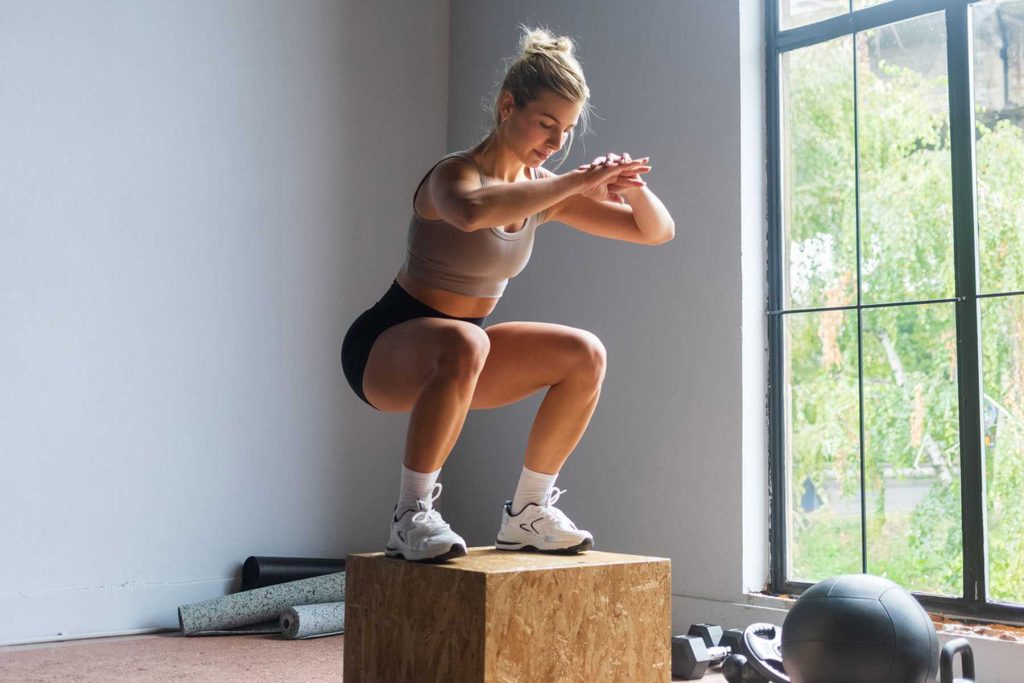
- Box jumps
- Broad jumps
- Bounding
- Explosive push-ups
- Medicine ball throws
5. Unilateral Training (Single-Leg/Arm Exercises)
What It Is: Training one limb at a time instead of both simultaneously.
Why Athletes Need It: Real sports are asymmetrical. You kick with one leg. You throw with one arm. Unilateral training:
- Builds balanced, injury-free strength
- Improves movement quality
- Corrects imbalances
- Builds core stability
Sample Exercises:
- Single-leg squats or lunges
- Single-arm rows or presses
- Single-leg deadlifts
6. Rotational & Multi-Planar Training
What It Is: Exercises that develop strength in multiple directions (not just forward/backward).
Why Critical for Athletes: Most sports require rotational power. A cricketer swings. A rugby player plants and cuts. A golfer rotates explosively.
Sample Exercises:
- Rotational medicine ball throws
- Woodchops
- Pallof presses
- Lateral lunges
Sample Performance-Focused Program
Here’s a weekly structure for Cape Town athletes:
Monday: Lower Body Power & Speed
- Movement prep (5 minutes)
- Jump squats: 4 sets x 6 reps
- Barbell squats: 4 sets x 5 reps
- Single-leg Romanian deadlifts: 3 sets x 8 reps/side
- Box jumps: 3 sets x 5 reps
- Mobility work (5 minutes)
Wednesday: Upper Body Strength & Rotational Power
- Movement prep (5 minutes)
- Barbell rows: 4 sets x 5 reps
- Push-ups: 3 sets x 8 reps
- Rotational medicine ball throws: 3 sets x 8 reps/side
- Pull-ups: 3 sets x 5 reps
- Mobility work (5 minutes)
Friday: Full-Body Metabolic Conditioning 3 rounds for time:
- 10 deadlifts
- 10 push-ups
- 10 squats
- 1-minute rest between rounds
Getting Started: Beginner’s Guide for Athletes
Step 1: Master Movement Fundamentals
Before adding intensity, learn proper patterns:
- Squat pattern: Full depth, neutral spine, weight in heels
- Hinge pattern: Hip fold with neutral spine (deadlift)
- Push pattern: Maintaining scapular stability
- Pull pattern: Proper shoulder positioning
- Rotational pattern: Core stability throughout
Spend 1-2 weeks on these with light weight, focusing on quality.
Step 2: Build Your Foundation (Weeks 1-4)
Training frequency: 3 days per week
- Day 1: Squats, rows, carries
- Day 2: Deadlifts, push-ups, planks
- Day 3: Lunges, shoulder presses, pull-ups
Step 3: Increase Intensity (Weeks 5-8)
- Add 5-10% weight from previous week
- Add 2-3 reps to each set
- Reduce rest periods
- Add explosive elements (jumps, medicine ball work)
Step 4: Progress and Periodize (Weeks 9+)
Vary your training:
- Strength focus: Heavy weight, low reps
- Power focus: Explosive movements
- Endurance focus: Higher reps, shorter rest

Common Mistakes to Avoid
1. Ego Lifting Using too much weight at the expense of form. Master movement quality first.
2. Skipping Mobility Work Poor mobility limits your ability to perform movements correctly. Always warm up and improve mobility.
3. Ignoring Recovery Functional training creates real stimulus. Without sleep and recovery, you can’t adapt and improve.
4. Not Tracking Progress You can’t optimize what you don’t measure. Track weights, reps, and times.
5. Over-Complicating Programming Too many exercises and too much volume leads to burnout. Stick to 4-6 main exercises per session, 3 sessions per week.

Real-World Example: The Competitive Trail Runner
Starting Point: 28-year-old competitive trail runner, wants to improve performance, prone to ankle and knee issues
Challenge: Unilateral leg strength imbalances, previous ankle injuries, needs efficient training
Solution: Sport-specific functional training emphasizing single-leg work, lateral movement, and proprioceptive training
Results After 12 Weeks:
- 15% improvement in hill running times
- Zero injuries during training and racing
- Improved confidence on technical terrain
How to Progress Over Time
Progressive Overload Strategies:
- Increase Load – Add weight to exercises
- Increase Volume – Add more reps or sets
- Increase Density – Complete same work in less time
- Improve Quality – Slower tempo, stricter form
- Add Complexity – Progress to harder variations
Equipment You’ll Need
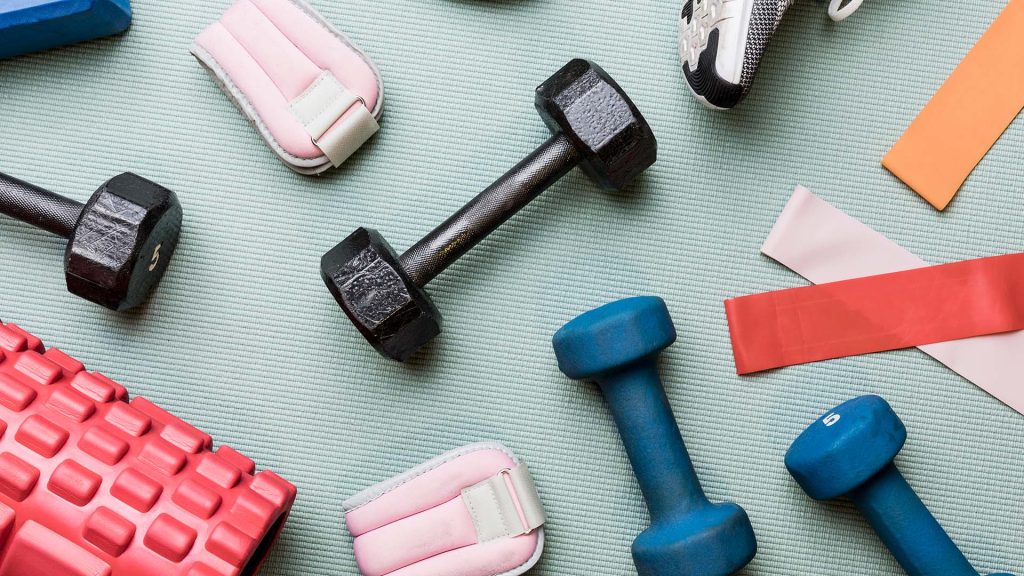
Essential:
- Dumbbells (adjustable ideal)
- Barbell + plates (or kettlebells alternative)
Highly Recommended:
- Suspension trainer (TRX or equivalent)
- Kettlebells (16kg-32kg)
- Resistance bands
Cape Town Resource Tip: Many Cape Town gyms (Camps Bay, Southern Suburbs, Newlands) have functional training areas with necessary equipment. Several parks have dedicated functional training zones.

FAQ: Functional Training for Athletes
Q: How long before I see athletic performance improvements? A: 3-4 weeks for movement quality improvements, 8+ weeks for significant performance gains. Consistency matters most.
Q: Can functional training build muscle? A: Yes. Functional training builds muscle effectively when combined with proper nutrition.
Q: How often should I train? A: 3 sessions per week is ideal for most athletes. Advanced athletes may do 4-5 sessions.
Q: What if I’m recovering from injury? A: Consult your physical therapist. Functional training can support rehabilitation with proper guidance.
Q: How do I know if I’m doing the movement correctly? A: Consider working with a coach initially. Video yourself performing movements and compare to proper form references.

Conclusion: Elevate Your Athletic Performance
Functional training is the difference between random strength and strength that directly improves your sport. Whether you’re a Cape Town trail runner, rugby player, surfer, or any athlete, functional training builds the real-world strength, power, and resilience your sport demands.
Your next step: Choose the program above that matches your sport, commit to 4 weeks, and track your progress. Notice how you feel, how you perform, and adjust accordingly.
Ready for personalized athletic coaching? Work with a functional training specialist who understands your sport and can create a program tailored to your specific goals. This accelerates progress and ensures injury-free training.
The best athletes train smart, not just hard. Functional training is training smart.